ULC Fire Alarm Monitoring
Your Fire Alarm Is Only Half a System
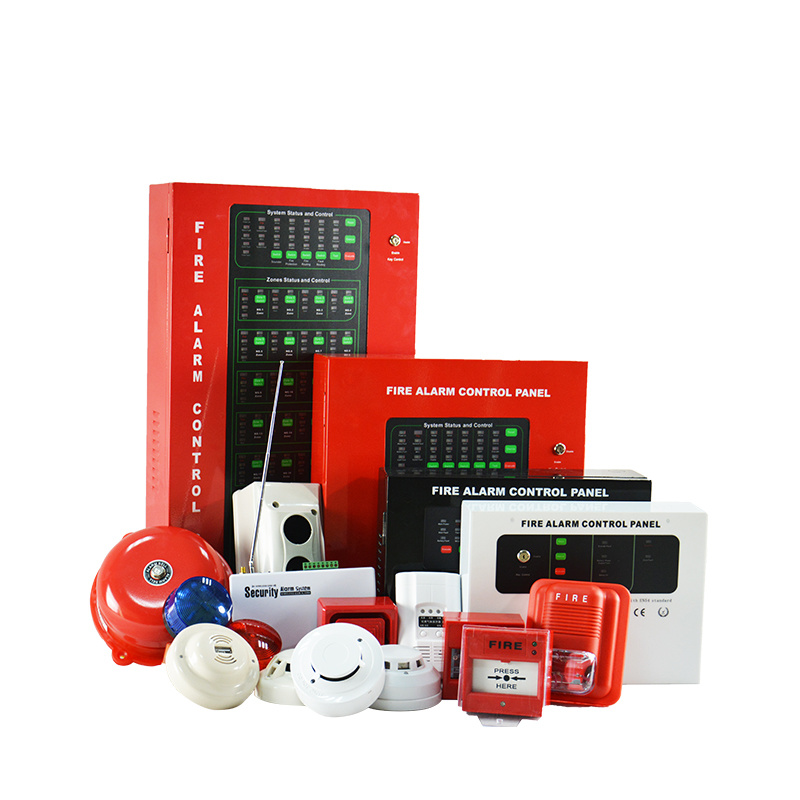
Most commercial buildings in Regina already have a Fire Alarm Panel. Detectors, pull stations, horns, strobes — the hardware works. But if that Panel isn’t monitored, an Alarm at 2 a.m. is just noise in an empty building. Nobody is notified. Nothing is dispatched. And when your insurance provider or the fire marshal asks for proof that your alarm signals actually reach someone, there’s nothing to show them.
ULC Fire Alarm Monitoring closes that gap. Your panel connects to a ULC-certified Monitoring Center through a dedicated Fire Alarm Monitoring System, and every signal — fire, sprinkler flow, trouble, supervisory — is answered by a trained operator around the clock. Fire alarms are dispatched to the fire department first, then your call list. No delays, no guesswork.
What Is CAN/ULC-S561, and Why Does It Matter?
Underwriters Laboratories of Canada (ULC) sets the national standard for how fire alarm monitoring must be installed, communicated, and maintained. That standard — CAN/ULC-S561: Installation and Services for Fire Signal Receiving Centers and Systems — is referenced in the National Building Code and National Fire Code, and it’s what your Authority Having Jurisdiction (AHJ) and insurance company are looking for when they ask whether your fire monitoring is “ULC.”
When your system meets the standard, a ULC Certificate is issued for your building. That certificate is your proof — to the fire marshal, to your insurer, to your landlord or tenants — that your fire monitoring was installed correctly, communicates reliably, and is being inspected and maintained on schedule.
In plain terms: if your building is required to have a Fire Alarm System, it’s almost certainly required to have ULC-Certified Monitoring behind it. A panel without S561-compliant Monitoring can pass a basic inspection and still fail an occupancy review or an insurance audit.
Does Your Building Need ULC Fire Monitoring?
If any of these sound like your property, the answer is almost certainly yes:
- Commercial and retail buildings — most occupancies with a required Fire Alarm System
- Sprinklered buildings — sprinkler supervision and waterflow signals must be monitored
- Apartments, condos, and multi-tenant properties — required for most residential occupancies over a certain size
- Assembly spaces — churches, halls, theatres, restaurants, gyms
- Warehouses and industrial properties — especially after-hours risk
- Schools, daycares, and care facilities — where life safety requirements are highest
- Buildings changing ownership or use — occupancy permits frequently trigger the requirement

Not sure where your building stands? That’s a five-minute conversation. We’ll tell you honestly whether you need a ULC certificate, whether your existing panel can be connected, and what it will cost — no pressure, no upsell.
Why ULC-Certified Monitoring Is Worth It
Faster Emergency Response
Fire Alarm signals go straight to the Monitoring Center and are dispatched to the fire department immediately — before anyone on your call list is even reached. In a fire, minutes decide everything.
Insurance Compliance (and Often Savings)
Insurers regularly require a ULC certificate as a condition of coverage for commercial properties — and many offer reduced premiums for certified systems, because the risk is measurably lower.
Fire Code & Occupancy Compliance
Your ULC certificate is the document the fire marshal checks. It keeps occupancy permits, inspections, and audits moving smoothly rather than becoming emergencies in their own right.
No Phone Line Required
Modern cellular fire alarm communicators carry your signals over the cellular network — no dedicated phone line, no monthly landline charges, no single strand of copper standing between your building and the fire department. We can also utilize Ethernet Communicators/Pathways for communications.
What Comes With LS Security Fire Monitoring
24/7 monitoring of Fire Alarm, Sprinkler, Trouble, and Supervisory signals by a ULC-certified Monitoring Center
ULC-listed Fire Alarm Communicator, professionally installed and connected to your existing panel
Your official ULC Certificate, issued and kept current
Annual inspection and testing of the monitoring connection, as the standard requires
Trouble-signal response — if your system reports a problem, you’ll know right away, and ULC requires issues to be addressed within hours, not weeks
A local team that answers the phone — the same people who installed your system service it
Our Legacy
Local, Independent, and Accountable
LS Security is a locally owned, independent company that has protected Saskatchewan homes and businesses for over 30 years. When your fire panel monitoring system requires service, you’ll speak with people who know your building and your system.
Because ULC-certified systems must remain under the care of the company that issued the certificate, choosing the right monitoring partner is a long-term decision. Choose a team you can count on for years to come.
Established in Regina
since 1994
Protecting Thousands
of Local Homes & Businesses
24/7
Alarm Monitoring
Getting Certified Is Simpler Than You’d Think
1
Free Assessment
We visit your property, look at your existing Fire Alarm Panel, and confirm exactly what’s needed for CAN/ULC-S561 compliance. Most existing panels can be connected — a full system replacement is rarely required.
2
Communicator Installation
Our technicians install a ULC-listed Fire Alarm Monitoring System and connect your panel to the monitoring center, following the standard to the letter.
3
Testing & Certification
Every signal path is tested end to end. Once the system passes, your ULC Certificate is issued — ready to show your insurer or the fire marshal.
4
Ongoing Monitoring & Annual Inspection
Your building is monitored 24/7/365, and we handle the annual inspection and testing that keeps your certificate valid. You’ll never have to chase compliance again.
ULC Fire Monitoring FAQs
What’s the difference between a monitored and unmonitored fire alarm?
An unmonitored panel sounds horns and strobes in the building — and that’s it. No signal leaves the property. A monitored panel sends every alarm, trouble, and supervisory signal to a 24/7 monitoring center, where trained operators immediately dispatch the fire department. The ULC certificate is the proof that this connection meets the national standard.
Is ULC monitoring legally required for my building?
It depends on your building’s occupancy type, size, and whether it’s sprinklered — but if the building code requires a fire alarm system, monitoring to the CAN/ULC-S561 standard is generally required. Your insurance policy may require it even where the code doesn’t. We can tell you where your building stands after a short assessment.
Can you connect my existing fire alarm panel?
In most cases, yes. ULC monitoring concerns the connection between your panel and the monitoring center — not the panel hardware itself. We install a ULC-listed Fire Monitoring System alongside your existing Fire Alarm. If your panel is aging or non-compliant, we’ll tell you straight and walk you through the options.
Do I need a phone line?
No. Cellular fire alarm communicators carry your signals over the cellular network, which is faster to install, cheaper to run, and immune to cut or failed phone lines. Dual-path configurations are available for buildings that want redundancy, using both Ethernet and Landlines.
What happens when there’s a trouble signal?
The monitoring center contacts you right away to assess the issue. Under ULC requirements, problems must be addressed promptly — typically within hours — to keep the system compliant. Our local technicians handle repairs quickly so your certificate never lapses.
How often does the system need to be inspected?
Annually, at minimum. Yearly inspection and testing is a condition of keeping your ULC certificate valid — and it’s included in our monitoring service. Hence, it happens on schedule without you having to think about it.
What does a lapsed ULC certificate mean?
Your alarm will still sound locally — but your building can no longer prove its monitoring meets the standard. That gap tends to surface at the worst times: an insurance claim, a fire marshal visit, an occupancy inspection. Staying current is far cheaper than getting caught out.